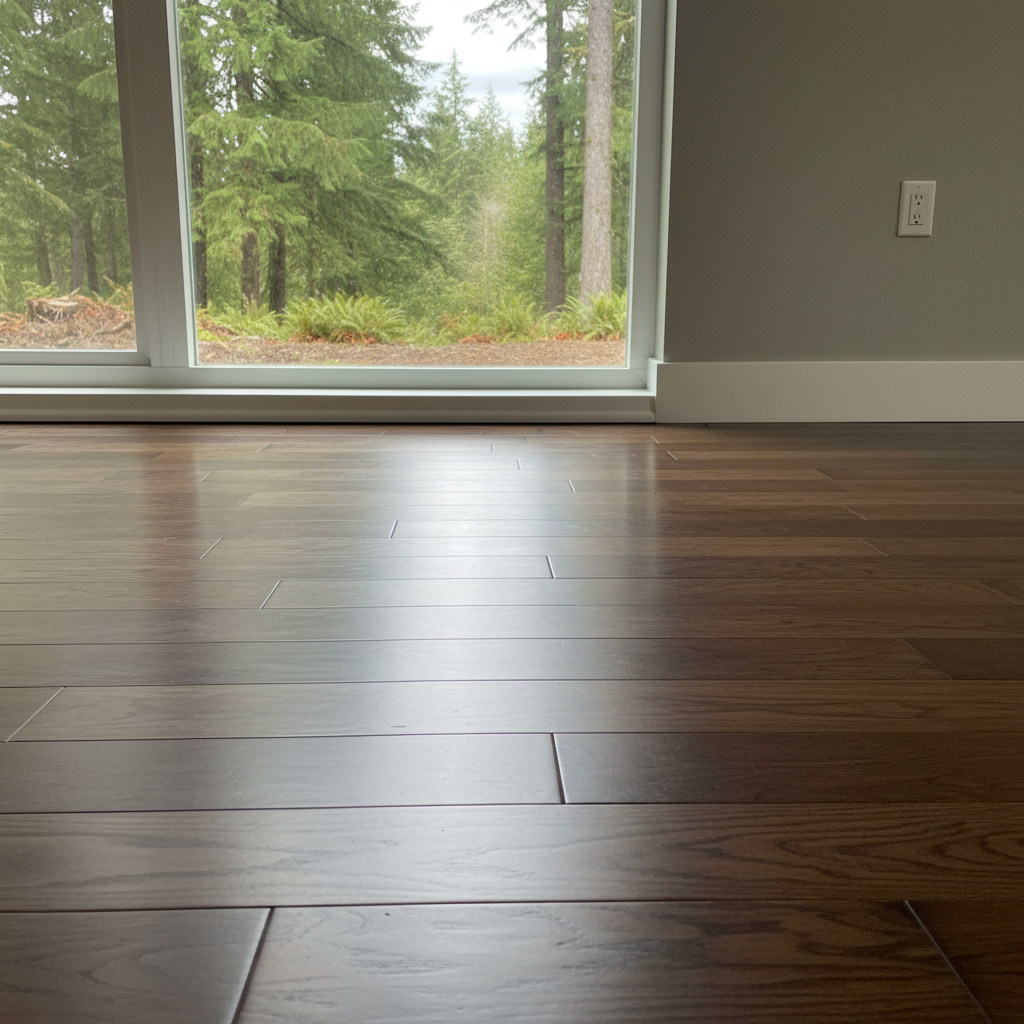
Water in your house is a major problem. Whether it is a burst pipe during a freezing January freeze off Summit Neumann or a heavy downpour finding its way through a weak foundation on the slopes near Lake Maple, you need to act fast. Clear Harbor Restoration Inc has walked into dozens of local homes where panic made a bad situation much worse. This article breaks down what you actually need to do before, during, and after a flood hits your property, and where you should draw the line between doing it yourself and calling for backup.
Before the Flood: Getting Ready
Most residents in our area do not think about Water Damage Restoration until the water is already soaking their living room carpet. But you can save yourself thousands of dollars with a little prep work.
- Find your main water shut-off valve right now and make sure it actually turns.
- Keep your gutters clean, especially with the heavy pine needles we get around Wilderness Lake clogging things up every autumn.
- Test your sump pump if you have a basement or a lower-level daylight setup.
If a big storm is rolling in, move valuables off the floor in your lowest levels. Ground moisture here can rise fast when the clay-heavy soil around Maple Valley gets completely saturated.
During the Flood: Staying Safe and Stopping the Source
Safety is the most important factor during a flood. If water is anywhere near your electrical panel or outlets, do not go wading through it. Shut off the main power breaker if you can safely reach it. Your immediate job is stopping the water at its source. If it is a broken supply line, crank that shut-off valve closed. If water is backing up through your drains, there is not much you can shut off inside, so your focus shifts to containment and safety.
You can realistically handle mopping up small puddles, pulling up wet area rugs, and setting up every house fan you own to get some air moving. But if the water is more than an inch deep, or if it came from a toilet backup or outside storm drain, put down the mop. That is category two or three contaminated water. You should not mess with that using a bucket from the garage.
After the Flood: Drying Out and Restoring
Once the active flow stops, the real clock starts ticking. Mold loves the damp, chilly air we get around here most of the year, and it will not wait around for you to figure things out. This is where Clear Harbor Restoration Inc is called in to handle the heavy lifting for Water Damage Restoration in Maple Valley, WA.
Here is how you divide the work:
- What you can do: Toss ruined cardboard boxes, drag light furniture onto the patio, and run dehumidifiers if you have them. Keep track of everything for your insurance adjuster.
- What the pros do: Pull up tack strip, remove soaked drywall past the water line, deploy industrial air movers, and run commercial-grade dehumidifiers that actually pull moisture out of the framing.
Do not just paint over warped baseboards or let the carpet dry in place. Trapped moisture behind walls will rot your studs and breed black mold faster than you think. Clear Harbor Restoration Inc uses thermal imaging and moisture meters to check behind walls so you do not find nasty surprises six months down the road. For homes and businesses in Maple Valley, Clear Harbor Restoration Inc provides Water Damage Restoration services.